The Thrill of Uncertainty
Casino gambling offers a unique blend of excitement and uncertainty that captivates many players. This thrill stems from the unpredictability of outcomes, which can evoke strong emotional responses. Each spin of the roulette wheel or shuffle of the cards presents an opportunity for unexpected victory, triggering a surge of adrenaline. This exhilaration, often referred to as the “gambler’s high,” can result in a compelling desire to play, as individuals chase the high that comes with potential wins. In today’s market, one can easily discover crypto betting sites that elevate the experience even further.
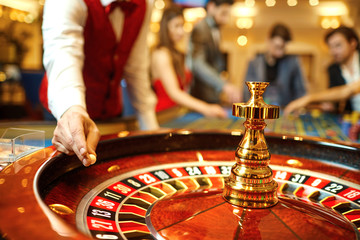
The concept of risk plays a significant role in driving players towards casinos. Many gamblers are motivated by the idea that they could defy the odds and win big. This element of surprise keeps players returning, embracing the possibility of significant rewards despite the inherent risks involved. The intricate balance of hope and excitement is a psychological factor that enhances the overall gambling experience.
The Role of Social Influence
Social dynamics significantly impact gambling behavior, with many players drawn to the communal atmosphere of casinos. Gambling often serves as a social activity, where individuals gather with friends or meet new people, fostering a sense of camaraderie. This social interaction enhances enjoyment and encourages players to engage more frequently in gambling activities, as they associate these experiences with social bonding. Moreover, the influence of peers can create a sense of belonging that many players crave.
When individuals witness their friends or acquaintances celebrating wins, it can evoke a desire to join in and experience similar joys. This social reinforcement can lead to an increase in gambling frequency, as the pursuit of shared thrills becomes deeply ingrained in the player’s routine.
Cognitive Biases and Gambling
Cognitive biases play a pivotal role in how players perceive their chances of winning. One common phenomenon is the “illusion of control,” where gamblers believe they can influence the outcome of a game, particularly in skill-based games. This mindset can lead to overconfidence and increased participation, as players feel they have a greater likelihood of winning than is statistically accurate. Additionally, the “gambler’s fallacy,” which suggests that past outcomes influence future results, can exacerbate gambling behavior.
Players may believe that a win is due after a series of losses, leading them to continue playing in hopes of a forthcoming victory. Understanding these cognitive biases is crucial, as they illuminate why players may immerse themselves in gambling despite unfavorable odds.
The Escapism Factor
For many individuals, casinos offer an escape from the pressures of daily life. The immersive environment, with its vibrant lights and captivating sounds, transports players to an alternate reality where stressors fade away. This sense of escapism can be a powerful motivator for gambling, as players seek temporary relief from their challenges.
Furthermore, the atmosphere of a casino is designed to engage the senses and keep players engrossed in the experience. The combination of visual stimulation, social interaction, and the thrill of potential winnings creates a compelling escape. Players often find themselves drawn back, using gambling as a means to alleviate boredom or seek excitement in their lives.

Understanding Casino Gambling Through Research
Research into the psychology of gambling reveals valuable insights into the motivations driving players. Various studies have shown the correlation between personality traits and gambling behavior, suggesting that certain individuals may be more predisposed to addictive gambling patterns. These insights can help in developing strategies for responsible gambling and understanding the balance between enjoyment and compulsion.
Understanding the psychological factors behind gambling is essential for both players and casino operators. By fostering a responsible gaming environment, casinos can enhance player experiences while safeguarding against the risks of problematic gambling. As the gaming industry evolves, continued research into these psychological aspects will be crucial for promoting healthy gambling practices.